As a dentist in Marylebone, at Plowman & Partners we’ve observed countless patients who remain unaware of the remarkable changes occurring in their mouths throughout the day. Your saliva isn’t simply a static fluid; rather, it’s a dynamic substance that undergoes significant pH variations from morning until night, profoundly influencing your dental health in ways you might never have imagined.
The pH scale, ranging from 0 to 14, measures acidity and alkalinity. A neutral pH sits at 7, whilst anything below is acidic and anything above is alkaline. Your saliva typically maintains a pH between 6.2 and 7.6, but this can fluctuate dramatically based on various factors including diet, hydration, and the time of day. These fluctuations aren’t merely academic curiosities—they play a crucial role in either protecting or compromising your teeth and gums.
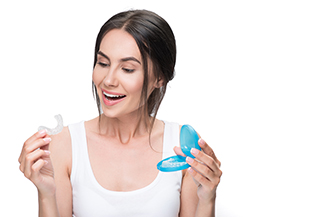
When you wake up, your mouth often feels less than fresh, and there’s sound science behind this sensation. During sleep, saliva production decreases substantially, allowing the oral pH to drop and become more acidic. This overnight shift creates an environment where harmful bacteria can thrive, which is precisely why morning breath is such a universal experience.
The reduced salivary flow during sleep means your mouth’s natural defence mechanisms are temporarily compromised. Saliva serves as nature’s mouthwash, constantly buffering acids and remineralising tooth enamel. Without adequate flow, the protective benefits diminish, leaving your teeth vulnerable to acid attack. This is why establishing a thorough morning oral hygiene routine proves absolutely essential for maintaining optimal dental health.
Every time you consume food or drink, particularly anything acidic or sugary, your salivary pH plummets. This drop can occur within minutes of eating and may persist for up to an hour afterwards. During this critical window, your tooth enamel becomes softer and more susceptible to erosion. The bacteria in your mouth feed on sugars and starches, producing acids as a byproduct that further lowers the pH and attacks your enamel.
What’s particularly fascinating is that different foods affect your salivary pH in varying degrees. Citrus fruits, fizzy drinks, and wine can cause dramatic pH drops, whilst cheese, nuts, and certain vegetables actually help to neutralise acids and restore a healthier pH balance more quickly. Understanding these patterns empowers you to make informed dietary choices that support your dental wellbeing.
Throughout the day, your saliva works tirelessly to restore pH balance after each acidic challenge. This buffering capacity represents one of nature’s most elegant protective mechanisms. Your saliva contains bicarbonate, phosphates, and proteins that neutralise acids and facilitate the remineralisation process, essentially repairing minor damage to your enamel before it becomes permanent.
Peak saliva production typically occurs during mealtimes and gradually decreases as evening approaches. This natural rhythm means that late-night snacking poses particular risks, as your mouth has reduced capacity to buffer acids when saliva production is winding down for the day. Recognising these patterns allows you to time your eating habits more strategically.
Maintaining optimal salivary pH doesn’t require extraordinary measures. Simple habits can make a substantial difference:
By understanding how your salivary pH fluctuates and implementing these straightforward strategies, you can significantly enhance your oral health. Your mouth’s natural defence systems are remarkably effective when properly supported, ensuring your smile remains healthy for years to come.
